

Picture this: You’re about to drop €500 on headphones. Do you trust the salesperson’s pitch, or that What Hi-Fi 5-star review sticker? We both know which carries more weight. Different example, you’re browsing through a winestore, looking for a nice bottle to enjoy with people coming over later that evening. You see tons of labels, regions, varieties, then one catches your eye with a 95 point Suckling sticker on it. Must be good enough,…
Now, why does that happen? It’s the Authority Principle at work - our brain’s shortcut for making decisions.
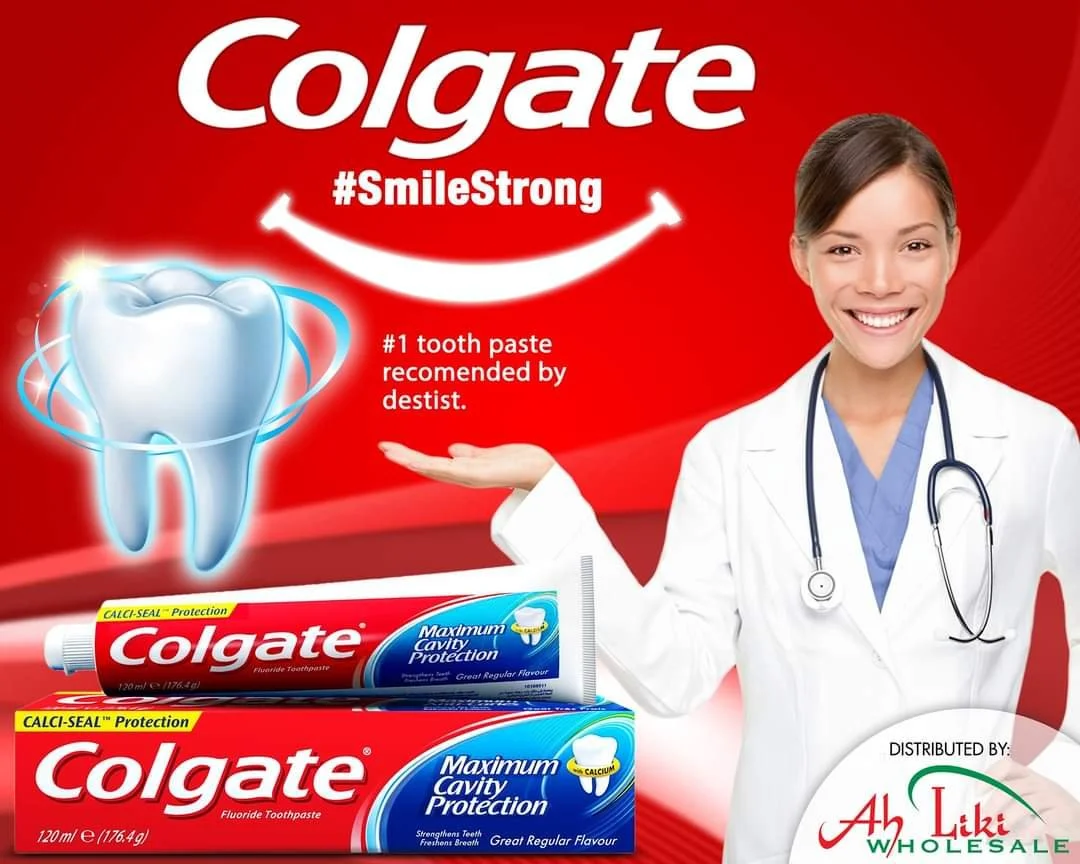
Source: https://x.com/ah_liki/status/1367626223094878210 Have you ever met a Dentist ( I corrected the typo in the ad), wearing a stethoscope? I haven’t.
The Science Behind Authority’s Influence
Robert Cialdini’s work on authority is part of his six principles of persuasion, which also include reciprocity, scarcity, commitment and consistency, liking, and social proof. The principle of authority suggests that people are more likely to follow the advice of legitimate experts because they trust their greater knowledge and expertise. This principle is widely observed in various fields, such as healthcare, law, and marketing, where expert endorsements or credentials can significantly influence decisions. Cialdini emphasizes that people often rely on shortcuts like authority to make decisions due to the complexity of modern life.
This also explains one example you’ve seen for sure. The labcoat wearing “doctor” in an ad for toothpaste.
Ratings and reviews
The principle of authority can be beneficial in marketing by leveraging expert endorsements to build trust and credibility with potential customers. It also helps in simplifying complex decisions by relying on expert advice, which can lead to more informed choices. To dive into a personal experience on this:
Now I’ve had my fair share of experience drinking, tasting, shopping for, importing, buying and reviewing wine. Wine is also and area where the review has become massively important. Every year we attend a couple of fairs like ProWein and Vinitaly to taste stuff we would like to buy. Fun activity. The amount of times we get told how well a wine is rated by James Suckling, Wine Spectator, Decanter, and other is off the charts. It seems to sell.
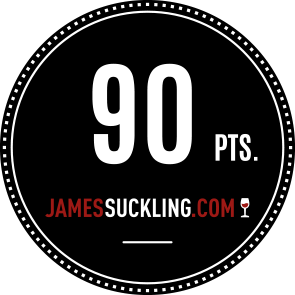Typical 90 point rating on a bottle of wine
To me, most those reviews are absolute rubbish though. Suckling hands out 90+ point to pretty much any wine these days, and to be honest I can’t even recall seeing a wine with fewer than 90 points on his 100 point scale…. 🤔 Which is weird, right?
But it sells to the obvious consumer obviously. So it also sells to importers, to store owners,… Authority at work.
So here’s where it gets interesting.
Cialdini’s research shows something counterintuitive: People trust expert opinions even when they know the expert is being paid. Why? Because our brain prioritizes expertise over potential bias.
Building Authentic Authority
After 20 years in marketing, here’s what real authority looks like:
1. Demonstrated Expertise
- Share actual case studies
- Publish detailed insights
- Show real results
2. Transparent Communication
- Admit knowledge gaps
- Acknowledge mistakes
- Share learning experiences
3. Consistent Value Delivery
- Regular, useful content
- Practical solutions
- Measurable outcomes
The Authority Paradox
Here’s something that might surprise you: The most authoritative experts often downplay their expertise. They let their work speak for itself. It’s usually the least qualified who shout the loudest about their authority.
Practical Implementation Steps
Want to build genuine authority? Start here:
1. Document Your Journey
- Share failures and lessons
- Show your process
- Be transparently imperfect
2. Build Evidence
- Collect client testimonials
- Document results
- Showcase real outcomes
3. Share Knowledge Freely
- Teach what you know
- Help others grow
- Create valuable content
The Ethics Question
This brings us to the uncomfortable question: When does using authority cross an ethical line? I’d argue it’s when the expertise being leveraged doesn’t match the claims being made. Or when their recommendations are really slapped on to nearly anything that crosses their path (from being paid for).Authority in marketing isn’t going anywhere. But as consumers get smarter, authentic authority becomes more valuable. The future belongs to those who build real expertise, not just its appearance. It’s a double-edged sword. Use it ethically, build it authentically, and remember - true authority is earned, not claimed.
FAQs:
-
Can authority be built quickly?
No, authentic authority requires time and consistent demonstration of expertise. But there are a lot of experts out there for hire. -
Do formal credentials matter more than experience?
Not necessarily. Real-world results often carry more weight than formal credentials. -
How can small businesses compete with established authorities?
By focusing on niche expertise and delivering exceptional, documented results. An invite some experts, maybe they won’t show up, but authority also works on the experts themselves. -
Is social proof the same as authority?
No, though they’re related. Authority stems from expertise, while social proof comes from popular opinion. -
Can authority be damaged by mistakes?
Yes, but transparent handling of mistakes can actually strengthen authority by demonstrating integrity.