

“Sorry, our online deals are not available in store..”
You’ve been shopping for a new gadget online, found a great deal at a retailer, but you just want your hands on it first. So you go to the nearest store, only to be disappointed by that deal not being available in store…. 🤬
The salesperson is unaware of any available online discounts, and if they were, well “it’s our online offer, doesn’t apply in store”. This disconnect is all too common, leading to frustrated customers and lost sales.
The Necessity of Omnichannel Retailing in Modern Business
Omnichannel retailing is where you bridge the gap between online and offline shopping experiences.
A lot of brands fail to integrate their channels. They treat them as separate entities instead of them being parts of a cohesive whole. Which if you ask me simply reflects how silo’ed an organisation is set up. Consumers (want to) see a unified brand experience, not solo channels. A unified approach is what sets successful retailers apart.
From my experience working with top-tier companies like Heineken and GrandVision, now part of EssilorLuxottica, I’ve witnessed the significant impact of omnichannel strategies on customer experiences and revenue growth.
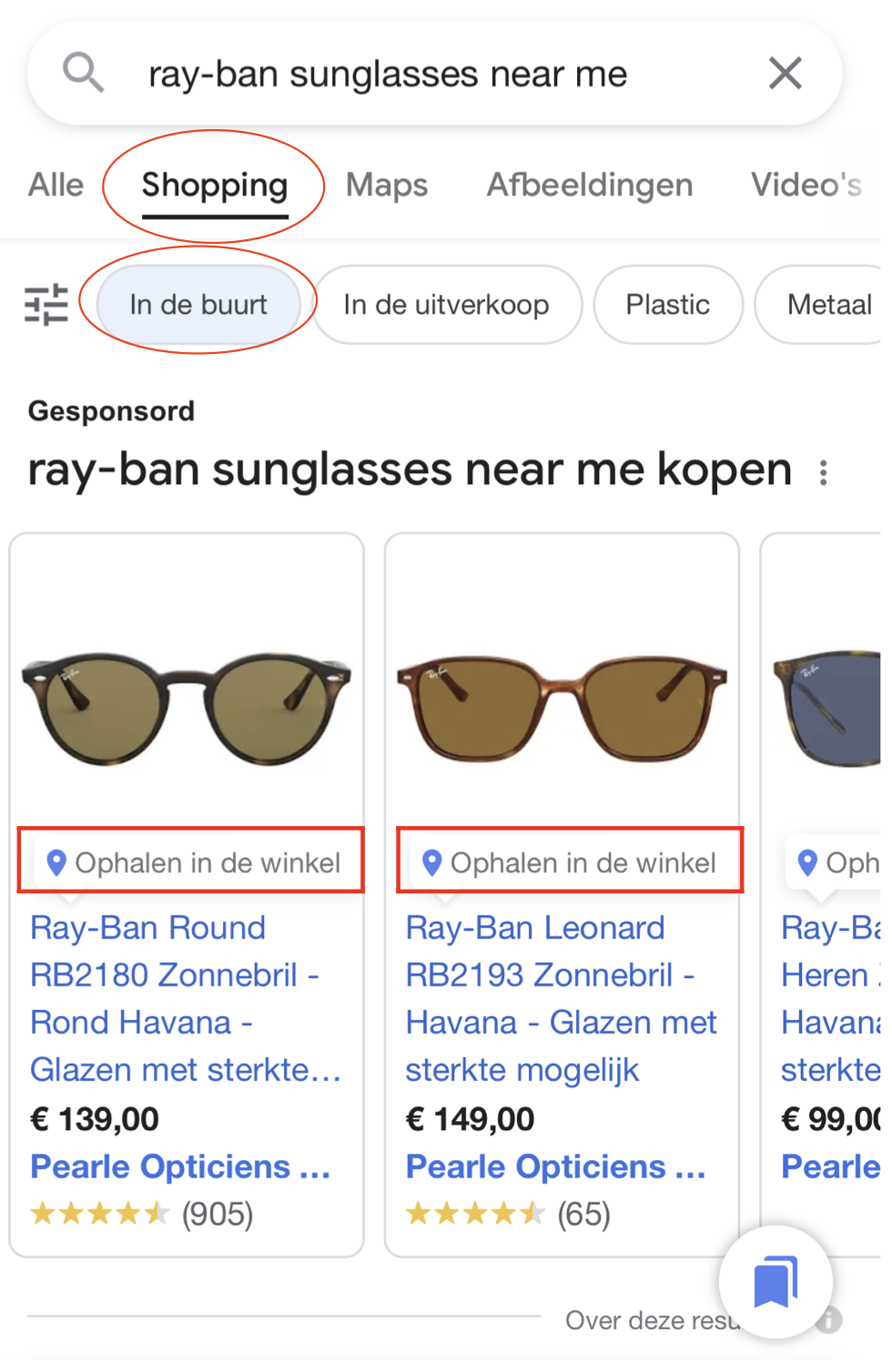
Driving in-store traffic from paid search.
At GrandVision, our center of excellence team focused on improving omnichannel efforts, such as increasing online appointment bookings, but also adding pick up later info for paid search to drive in-store traffic, where conversion rates were significantly higher. Omnichannel is also about using your strengths and guiding consumers past them. We also worked on localizing social ads at scale across multiple operating companies.
The value of integrating channels was clear: it created a seamless experience that benefited both the customer and us.
However, what still puzzles me is the existence of retail brands with completely different online and offline offerings, different points of contact, and service options. That disconnect is often a result of internal silos, structures, P&L’s, franchise setups, etc. It’s often detrimental from a consumer and brand experience perspective.
The Consequences of Fragmented Shopping Experiences
Not using omnichannel strategies can have severe consequences:
- Decreased Customer Loyalty: Frustrated customers are more likely to switch to brands that do offer a seamless experience. Omnichannel loyalty programs can boost customer lifetime values. When you reward customers throughout their shopping journey, you make them feel appreciated and valued.
- Missed Sales Opportunities: Disconnected interactions can lead to lost sales when customers cannot easily switch between platforms. For instance, if a customer researches a product online but finds it unavailable in-store, they may abandon the purchase altogether.
- Negative Brand Perception: A fragmented shopping experience can tarnish a brand’s reputation, affecting future growth. Consistent brand experiences across all channels are crucial for building trust and customer loyalty.
Omnichannel is about a Seamless Customer Journey
It’s not 2010 anymore, retailers need to prioritize omnichannel retailing. Channel conflict fear really should not prevail anymore, for any reason. Here are key strategies to harmonize your sales channels:
- Unified Customer Profiles: Synchronize data from all interactions to provide personalized experiences across platforms. This centralization of data can also help in lowering ad spending by offering historical data on order details.
- Consistent Offerings: Align pricing and inventory across all sales channels to avoid customer disappointment. Accurate sales forecasts and demand sensing can reduce wasted inventory and the associated costs.
- Streamlined Support: Train staff to deliver cohesive support, whether customers are online or in-store. Real-time assistance during the online shopping journey, such as through chat/video calls, virtual try-ons, can significantly enhance customer satisfaction. And vice versa, tools in-store that help bring your online endless isle to a store with limited space to show goods.
- Integrated Promotions: Utilize technology to share promotions and discounts seamlessly across all channels. This ensures that customers receive consistent offers, whether they are shopping online or in-store.
- Feedback Loops: Use customer feedback to enhance the omnichannel experience continuously. Analyze their preferences and behaviors through data analytics, which can help in offering personalized recommendations and promotions.
The Importance of Experiential Retail
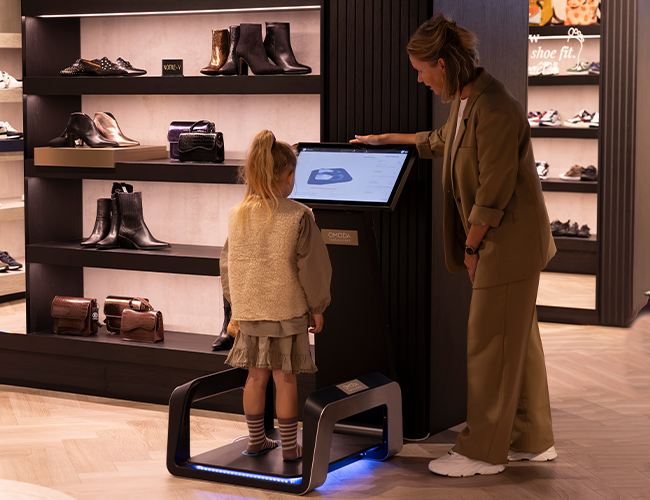The footscanner at Omoda. Source: https://www.omoda.nl/duurzaam/het-kan-echt-nooit-meer-de-verkeerde-schoenmaat-MVO27.html
While online shopping offers convenience, physical stores must provide something more to entice customers. The other day I visited a shoe store with my wife and kids. Pretty much we were tagging along with her, but we like gadgets so we saw a machine with “scan your feet” or something like it. So we wanted to see what it did. My 5-year old son took off his shoes, stepped on and waited for a sec, and it gives you:
- size of each foot in mm
- which shoes fit now
- which shoes will fit for how long
- where shoes will start to feel cramped
- and more
We didn’t need anything at the moment, but it sure changed my perception of the store and how well they knew what they’re talking about. That right there is experiential retail.
Experiential retail, is where customers engage in immersive environments that reflect their tastes and aspirations, to say it fancy. It’s been and still is becoming increasingly important. Studies show that customers who have a positive in-store experience are more likely to make a purchase and spend more than they initially intended.
Transitioning to Omnichannel Retailing
Setting up a solid omnichannel approach may seem challenging, and to be honest it is. The rewards however: enhanced customer loyalty and increased revenue, are well worth the effort. It does take a bit more of an agile mindset to be able to adapt quickly, utilize technology and focus on a customer-centric strategy to stay ahead.
And of course customer experience is one, but there’s also a bunch of pros for various departments within the company. For instance, by integrating multiple shopping channels, you can optimize stock levels and improve inventory management. This in turn saves costs associated with overproduction and warehousing but also ensures that customers can find what they need, whether online or in-store. Which may lower the costs for customer service on average.
Personalizing the Customer Journey
Omnichannel strategies make capturing customer data and creating detailed customer segments easier, that can lead to more personalized shopping experiences. Understanding your customer’s preferences and behaviors, helps you offer tailored recommendations and promotions that resonate with individual customers, increasing the chances of customer loyalty[5]…. and makes you less dependant on running sales campaigns throughout the year.
Building a Unified Brand Experience
A consistent brand experience across all channels is crucial for building trust and customer loyalty. When customers have a positive and cohesive experience with your brand, they are more likely to engage and stay loyal. This consistency builds trust and reliability, making it easier to acquire new customers through word-of-mouth and positive referrals, saving you a ton of media and BOFU creative budget.
So the next time you encounter a perfectly aligned shopping experience, think about how it reflects that retailer’s commitment to viewing their brand through the eyes of the customer and how they possible optimized it.
An Omnichannel approach is not just about technology; it’s about understanding and meeting the evolving needs of your customers.
Embrace omnichannel retailing, revolutionize your shopping experience, enhance customer satisfaction, drive long-term loyalty and revenue growth.
The future of retail is not the future anymore, it’s either roll with it or give up and fade away into history.