

Boost Your SEO and User Experience
If you’re an experienced marketer, you’re no stranger to the endless pursuit of improving your website’s search visibility. But every now and then, even though you spent quite some effort on them, some pages may still be underperforming. The reason for that can often be found in a frequently overlooked but crucial aspect of your digital strategy: your URL structure.
The Power of URL Optimization
URLs are more than just web addresses; they’re essential to both search engines and users. They bring that first glimpse into what your webpage is about and can significantly impact your search rankings and user experience.
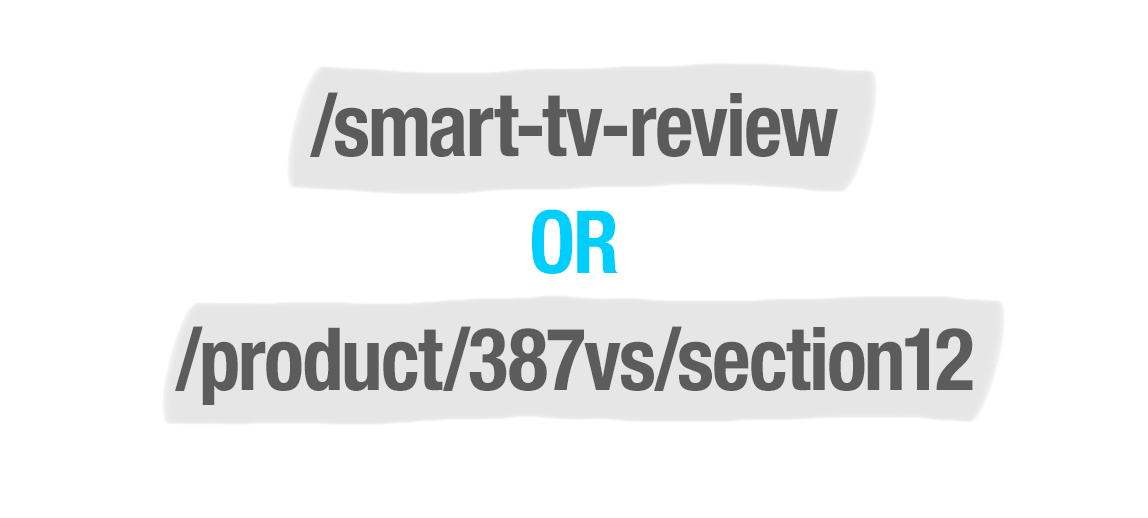
What URL tells you more?
The Consequences of Neglecting URL Best Practices
Not optimizing a URL can bring some damage. Here are a few ways in which it will:
- Poor Search Rankings: URLs that are unclear or convoluted can confuse search engines, leading to lower rankings due to poor crawling and indexing. This is the biggest one of course.
- Negative First Impressions: Ugly URLs can deter users, reducing click-through rates and undermining your credibility. Especially when listed off site.
- Loss of Trust: A poorly structured URL can make your site appear disorganized, eroding the trust of your audience.
URL Craftsmanship: What are the Essential Best Practices?
To turn your URLs into powerful tools for engagement and ranking, follow these best practices:
-
Keep it Simple
Conciseness is key. A straightforward URL like /smart-tv-review is far more effective than a complex one like /product/387vs/section12. -
Use Hyphens to Separate Words
Hyphens make URLs readable and are preferred by search engines over underscores. For example, /ergonomic-keyboards is better than /ergonomic_keyboards. Basically comes down to hyphens just connect separate words, underscores make two words one new word. -
Incorporate Primary Keywords
Include your primary keywords naturally within the URL. This helps search engines understand the content of your page without resorting to keyword stuffing. For instance, if your target keyword is “grainfed ribeye,” use it in your URL: /grainfed-ribeye. -
Avoid Uppercase Letters
URLs are case-sensitive, so using uppercase letters can lead to errors and duplicate content issues. Stick to lowercase letters to avoid these problems. -
Skip the Indexes
Avoid using session IDs or overly complex structure paths in your URLs. These can confuse both users and search engines. Instead, opt for a flat and logical folder structure. -
Limit Hierarchical Levels
Keep your URL structure to no more than three hierarchical levels. Deep folder hierarchies can complicate URLs and make them less user-friendly. Also just makes it a bit easier on yourself. -
Avoid Dates
Including dates in your URLs can make them appear outdated and may require frequent updates, and with updates then come redirections. It’s generally better to avoid dates unless they are absolutely necessary for the content. -
Make it Reader-Friendly
Ensure your URLs are easy to read and people can understand them. This not only helps users but also helps to improve search engine crawling and indexing. Clarity is key here.